
English
Views: 0 Author: Site Editor Publish Time: 2026-02-10 Origin: Site
In commercial and industrial settings, maintaining clean and safe floors is crucial for both aesthetics and hygiene. To achieve this efficiently, many businesses turn to scrubber machines, which offer a much more effective solution than traditional mops and brooms. But what exactly is a scrubber machine, and why should your facility consider incorporating one into your cleaning routine?
This article will define what a scrubber machine is, explore the key features of modern scrubbers, and explain the real-world benefits of using them across various industries. Understanding the purpose and advantages of these machines will help you make an informed decision on whether one is right for your facility’s needs. Scrubber machines are not only a time-saving solution but also contribute to better cleanliness and reduced labor costs. With their ability to quickly scrub, wash, and dry floors in one go, they are indispensable for large facilities that need constant maintenance.
A scrubber machine is a highly specialized piece of equipment designed to clean floors in a quick, efficient manner. It uses brushes or pads to scrub the floor while simultaneously dispensing cleaning solutions and recovering dirty water. This system ensures that floors are thoroughly cleaned, free of dirt and grime, and dry immediately after cleaning.
The core components of a scrubber machine include:
Brushes or Pads: These are typically made of durable materials such as nylon or polyester, and they perform the scrubbing action. The type of brush or pad selected will vary based on the floor surface and level of dirt. For instance, soft brushes are used for delicate floors, while stiffer ones handle tougher surfaces like concrete.
Solution Tank: This holds the cleaning solution (water mixed with detergent or specialized cleaners). The solution is dispensed onto the floor as the scrubber moves across it, loosening dirt and grime.
Squeegee: The squeegee collects the dirty water after the scrubber has passed over the floor. It uses a vacuum system to suction the water up and into the recovery tank, ensuring that floors are left dry and free of streaks.
In addition to these core components, modern scrubber machines come with advanced features, such as adjustable brushes, water flow controls, and smart sensors for automatic adjustments based on the floor's conditions.
The primary difference between a scrubber machine and traditional mopping or buffer methods lies in the automation and efficiency of the scrubber. While mops and buffers are manual tools that require frequent changes of water and a lot of physical effort, scrubber machines are designed to automate much of the cleaning process.
Traditional mopping requires the operator to repeatedly wet the mop, scrub the floor, and wring out excess water, which is time-consuming and inefficient. A scrubber machine, on the other hand, simultaneously scrubs, washes, and dries the floor, reducing both the time spent cleaning and the effort required. Additionally, scrubber machines are far more effective at removing dirt, grease, and bacteria, ensuring a higher level of cleanliness.
In comparison to buffers, which are designed mainly to polish floors, scrubbers focus on cleaning and maintaining hygiene. Buffers can leave behind dirt and grime, while scrubbers remove them completely, offering a more thorough cleaning solution.
Modern scrubber machines are equipped with advanced features that make them highly efficient and capable of handling various floor cleaning tasks. Some of these features include:
One of the most significant advantages of a scrubber machine is its automated cleaning system. The machine dispenses the right amount of cleaning solution onto the floor, eliminating the need for the operator to manually add water or solution. The automatic recovery system then vacuums up the dirty water, leaving the floor almost immediately dry and free of streaks. This automated process ensures that your floors are cleaned quickly and efficiently while reducing water waste and the amount of detergent needed.
Many modern scrubber machines come with adjustable cleaning paths, allowing operators to tailor the machine’s settings for different areas and floor types. Whether you're cleaning narrow aisles or expansive warehouse floors, adjustable paths ensure that the scrubber operates effectively, covering as much area as possible in a single pass. This adaptability makes scrubber machines versatile and suitable for a wide range of environments, from small offices to large industrial spaces.
Battery-operated scrubber machines offer several advantages, including the absence of cords, which increases mobility and allows for easier storage. Battery-powered scrubbers are also more flexible, as they can be used in spaces without access to power outlets. Some models even feature fast-charging capabilities, allowing them to be ready for use in a fraction of the time compared to other machines.
These machines also offer the advantage of being quieter compared to corded versions, which is an important consideration for businesses that need to clean during work hours without disrupting the environment.
To help you better understand the features of scrubber machines and how they benefit your cleaning routine, here is a table summarizing key features:
Feature | What It Does | Benefit |
Automatic Recovery | Picks up dirty water | Drier floors faster |
Adjustable Brush | Fits floor type | Better cleaning |
Battery Operation | No cord limit | Wide coverage, more mobility |
As shown in the table, scrubber machines are designed to be more efficient and user-friendly. Automatic recovery ensures that floors are left dry and safe to walk on immediately after cleaning. Adjustable brushes provide better performance for various floor types, while battery operation allows for greater mobility and less downtime.
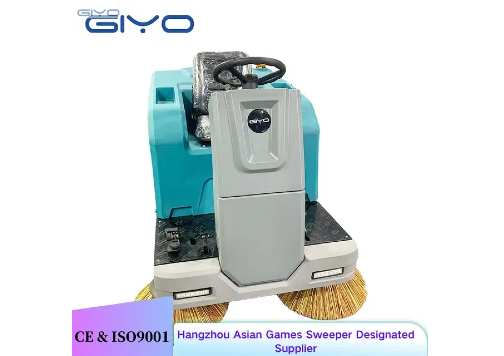
Many facilities are making the switch to scrubber machines to meet modern cleanliness standards and improve operational efficiency. Here are some reasons why businesses choose to upgrade their cleaning processes:
For healthcare facilities, food industries, and any business focused on hygiene, a scrubber machine is a must-have. The ability to thoroughly clean and sanitize floors in a single pass ensures that hygiene standards are consistently met, reducing the risk of contamination and improving overall cleanliness. Scrubber machines help eliminate dirt, bacteria, and germs from high-traffic areas, ensuring a healthier environment for staff and customers.
Scrubber machines significantly improve cleaning efficiency, as they reduce the time and effort required to clean large areas. Unlike manual methods that require multiple steps, scrubbers automate the process, allowing businesses to maintain a clean facility without needing to hire additional staff. This efficiency also extends to the scrubbers' ability to clean multiple floor types, ensuring that all areas receive a high level of care.
The initial cost of a scrubber machine can be an investment, but the long-term savings are significant. By reducing labor time and increasing cleaning efficiency, businesses can save on operational costs. Scrubbers also reduce the need for water and detergent, which lowers overall cleaning expenses. Over time, these savings can offset the upfront costs and provide businesses with a cost-effective solution for maintaining cleanliness.
Scrubber machines are used across a variety of industries, each benefiting from their ability to clean efficiently, reduce labor costs, and meet strict hygiene standards.
In healthcare settings like hospitals and clinics, maintaining a sterile environment is critical. Scrubber machines ensure that high-traffic areas such as hallways, waiting rooms, and patient rooms are cleaned thoroughly and quickly. This not only helps prevent the spread of infections but also ensures that floors are dry and safe, reducing the risk of slips and falls.
Retail businesses, including stores and shopping malls, benefit from scrubber machines by maintaining clean, attractive spaces for customers. Clean floors create a positive impression and help avoid any safety hazards caused by wet or slippery floors. Additionally, scrubbers are efficient enough to handle the large floor areas typical in retail environments, reducing the time and labor required for cleaning.
Educational institutions, from schools to universities, rely on scrubber machines to maintain clean and safe environments for students and staff. With high-traffic areas like classrooms, cafeterias, and hallways, scrubbers are essential for keeping floors clean while minimizing disruptions to daily activities. They also reduce the time spent on cleaning, allowing staff to focus on other important tasks.
In conclusion, understanding what is a scrubber machine and the benefits it offers can help your facility maintain cleanliness, improve hygiene standards, and reduce labor costs. Scrubber machines are efficient, versatile, and essential for any business that values high-quality cleaning. Whether you're in healthcare, retail, or education, scrubber machines provide an effective solution for maintaining a safe and clean environment.
At GIYO, we offer a range of high-quality scrubber machines designed to meet the needs of various industries. From walk-behind models to ride-on scrubbers, our machines are built for performance, efficiency, and durability. If you’re looking for a scrubber machine that fits your business needs, contact us today!
1. How does a scrubber machine work?
A scrubber machine works by dispensing a cleaning solution onto the floor, scrubbing the surface with brushes or pads, and then recovering the dirty water with a squeegee and vacuum system.
2. Are scrubber machines more effective than mopping?
Yes, scrubber machines are far more efficient than mopping, as they clean and dry floors in one pass, saving time and effort while providing better cleaning results.
3. Can a scrubber machine be used on all types of flooring?
Yes, scrubber machines can be adjusted to work with different floor types, including tile, concrete, vinyl, and wood, by selecting the appropriate brushes and settings.
4. How often should I maintain my scrubber machine?
Regular maintenance should be performed after every use, including emptying and rinsing the tanks, cleaning the brushes, and checking for wear. Additionally, conduct a full inspection every month to ensure optimal performance.
