
English
Views: 0 Author: Site Editor Publish Time: 2026-08-21 Origin: Site
Upgrading to a Ride-On Floor Scrubber represents a significant capital expenditure driven by a need for higher productivity. Facility managers face intense pressure to maintain spotless environments while actively reducing manual labor. Variations in tank capacities, brush types, and physical footprints make equipment selection surprisingly complex. Selecting the wrong unit often leads to bottlenecked cleaning routes. It can also cause excessive machine downtime.
Purchasing equipment based purely on maximum tank capacity often backfires. You must carefully match the machine dimensions to your physical space. This guide breaks down exactly how to align your facility requirements with essential technical specifications. You will learn to guarantee measurable ROI, maintain operational compliance, and ensure seamless operator adoption. We explore critical sizing strategies, battery chemistries, and daily maintenance routines. Understanding these factors helps you avoid costly purchasing mistakes.
Square Footage Dictates Class: Ride-on scrubbers are only cost-effective for facilities clearing 15,000 to 100,000+ square feet; smaller spaces may require alternative solutions.
Facility Layout Overrules Capacity: Aisle widths, door frames, and ramp inclines must dictate machine dimensions over raw tank size.
TCO Exceeds Sticker Price: Long-term value relies heavily on battery maintenance, squeegee replacement frequency, and local service support.
Application Drives Brush Selection: The choice between disc, cylindrical, and orbital heads depends strictly on floor texture and whether sweeping is required simultaneously.
Cleaning professionals constantly balance labor costs against equipment investments. Walk-behind scrubbers work well for small spaces. However, they quickly become inefficient in sprawling environments. You must evaluate your specific operational baseline before upgrading.
Labor typically accounts for roughly 90% of total cleaning costs. Operational speed remains the primary driver for return on investment. Walk-behind units generally cover between 10,000 and 15,000 square feet per hour. A standard Ride-On Floor Scrubber easily doubles or triples this coverage rate. Operators can clean up to 40,000 square feet per hour. This massive boost in productivity directly reduces payroll hours. Faster cleaning routes free your staff to perform other critical maintenance tasks. You see immediate financial benefits when shifting from manual pushing to motorized driving.
Manual floor cleaning requires intense physical exertion. Pushing heavy equipment across concrete causes severe musculoskeletal strain over time. Ride-on designs actively reduce workplace injuries. They eliminate the repetitive pushing motions causing back and shoulder pain. Modern machines offer intuitive steering systems. They feel much like driving a car. This ease-of-use factor improves daily operator morale. Happier employees generally lead to lower turnover rates. You also minimize worker compensation claims tied to physical overexertion.
You need to define your operational baseline accurately. The standard minimum threshold sits between 15,000 and 20,000 square feet of cleanable space. Investing in ride-on technology below this baseline often feels like a luxury. Above this threshold, it becomes an operational necessity. Do not count total building square footage. You must only calculate the actual open areas needing regular scrubbing. Subtract heavy shelving, pallet racks, and stationary machinery from your calculations.
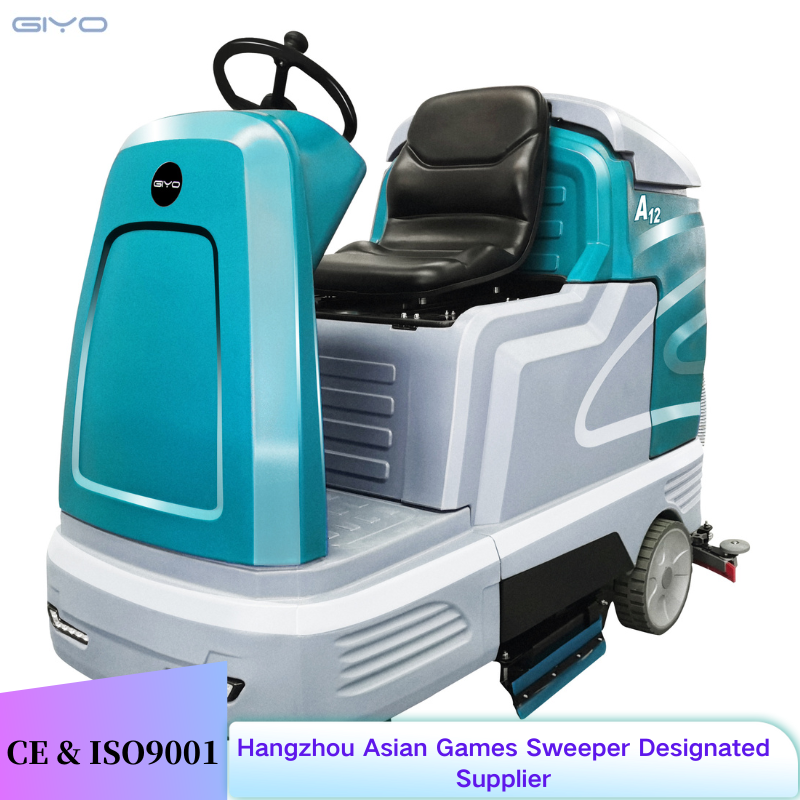
Machine size directly impacts cleaning efficacy. Buying the largest available model rarely yields the best results. You must categorize your needs based on precise facility constraints.
Facility Sizing Matrix
Machine Class | Ideal Square Footage | Best Applications | Key Limiting Factor |
|---|---|---|---|
Micro/Compact | 15,000 - 30,000 sq. ft. | Retail stores, tight corridors | Smaller tank requires frequent dumping |
Mid-Size | 30,000 - 80,000 sq. ft. | Gymnasiums, healthcare clinics | Struggles in narrow standard doorways |
Industrial/Heavy-Duty | 80,000+ sq. ft. | Warehouses, aviation hangars | Poor turning radius in tight aisles |
These machines bridge the gap between large walk-behinds and traditional drivers. They perform exceptionally well in retail aisles and standard elevators. Tight commercial corridors demand nimble equipment. The key trait of a micro unit is its narrow profile. Most fit easily through standard 32-inch doorways. Operators can navigate heavily congested areas without bumping into display racks. They function as a direct, highly efficient upgrade to legacy walk-behind fleets.
Mid-size units offer a perfect balance of power and agility. They fit best in school gymnasiums, medium manufacturing floors, and healthcare facilities. These environments feature wide main hallways but occasionally tight secondary rooms. Mid-size models provide longer battery runtimes than compact units. They maintain excellent maneuverability around corners. Most easily handle moderate indoor ramps connecting different building wings. You get enough tank capacity to clean for hours without constantly refilling.
Heavy-duty machines tackle the toughest environments imaginable. Large warehouses, aviation hangars, and vast logistics centers require them. These units feature massive recovery tanks. Huge tanks drastically reduce time-wasting dump and refill trips. They also apply aggressive down-pressure to the floor. This extreme pressure effortlessly strips away compacted industrial grime. However, their wide turning radius makes them entirely unsuitable for tight retail spaces.
Beyond physical dimensions, internal components dictate cleaning success. You must match scrub deck styles and power sources to your specific floor type.
The brush deck sits at the heart of any floor scrubber. Choosing the wrong deck style leaves floors dirty or damages the finish.
Disc Decks: These represent the industry standard for smooth surfaces. They excel at daily maintenance on epoxy or polished concrete. Flat pads provide excellent downward pressure for removing scuff marks.
Cylindrical Decks: These specialized decks sweep and scrub simultaneously. They feature a built-in catch tray for loose debris. You will find them essential for warehouses filled with wood splinters or loose gravel.
Orbital/Square Decks: These operate using high-speed micro-vibrations. They work best for chemical-free finish removal. Orbital heads also dig deep into textured tile grout lines effectively.
Choosing the correct battery chemistry impacts daily operations significantly. Traditional lead-acid batteries cost less upfront. However, they require strict weekly watering maintenance to survive. Lithium-ion batteries carry a premium initial price. Yet they eliminate routine maintenance entirely. Lithium allows for "opportunity charging" during short lunch breaks. This keeps the machine running across multiple shifts seamlessly.
Indoor emissions represent a major safety concern. Battery-operated units are strictly mandatory for retail environments and healthcare spaces. Unventilated warehouses also require electric units to maintain OSHA compliance. Internal combustion engines produce toxic carbon monoxide gas. You must never run propane or diesel scrubbers inside enclosed, unventilated buildings.
Modern scrubbers integrate sophisticated liquid management systems. These systems precisely meter water and chemical ratios during operation. Older machines often dump too much water onto the floor. Excess water creates severe slip-and-fall hazards for pedestrians. Advanced metering reduces expensive chemical waste. It ensures the squeegee vacuum system leaves the floor bone-dry immediately after passing.
Purchasing the equipment represents only the first step. You must understand daily operational realities to keep the machine running profitably. Ignoring standard maintenance protocols guarantees premature equipment failure.
Many buyers make the mistake of prioritizing maximum tank capacity above all else. This approach creates severe operational bottlenecks. A massive machine cannot navigate narrow warehouse aisles. It cannot make tight turns at the end of a retail row. When the machine gets stuck, operators must grab manual mops to finish the job. Supplemental manual cleaning completely destroys your expected labor savings. Always prioritize the machine's turning radius over its raw liquid volume.
Every machine requires ongoing consumable replacements. You must plan for these recurring operational expenses. Squeegee blades wear down naturally over time. Vacuum hoses crack and lose suction power. Brush pads require constant swapping depending on floor soil levels. Neglected battery maintenance remains the number one cause of premature machine failure. Lead-acid batteries die quickly if operators forget to refill their water levels. Proper weekly inspections keep the equipment running smoothly year after year.
Manufacturers design modern scrubbers for incredible ease of use. However, you still need strict Standard Operating Procedures. Operators often park machines without cleaning them properly.
Drain all dirty water from the recovery tank immediately after the shift ends.
Rinse the internal tank walls to flush out lingering sludge.
Wipe down the squeegee blades and clear the vacuum hoses of debris.
Plug the machine into the approved charging station overnight.
Skipping these basic steps allows bacteria to grow rapidly inside the tanks. This oversight creates foul odors that ruin indoor air quality during the next shift.
Selecting the perfect model requires a methodical approach. Never buy industrial cleaning equipment blindly from a catalog. Follow these structured steps to secure the right fit.
Always conduct a thorough site audit before looking at spec sheets. Measure your narrowest doorways and tightest aisles precisely. Document your primary floor types. Note the locations of floor drains and dedicated water sources. Evaluate any ramp inclines the machine must climb. These physical facility constraints automatically filter out incompatible models.
Never rely solely on glossy marketing brochures. Mandate that the dealer brings the equipment to your facility. Prove the machine's true turning radius in your actual aisles. Test its cleaning efficacy against your specific daily grime. An on-site demonstration highlights potential operator visibility issues immediately. It ensures the unit performs as promised under real-world conditions.
Industrial equipment breaks down eventually. A machine holds no value if it sits broken in a closet for weeks. Prioritize suppliers offering local, factory-trained technicians. Ask about their guaranteed parts availability. A strong local service contract minimizes frustrating downtime. Fast repairs keep your cleaning schedules strictly on track.
Finding the correct ride-on floor scrubber requires careful evaluation of your physical space. You must balance facility size, layout constraints, and floor textures against technical specifications. Choosing the right scrub deck and battery chemistry ensures optimal cleaning performance. Avoiding oversized machines prevents wasted labor and frustrating bottlenecks.
Your success depends on strong maintenance routines and proper operator training. Take action today by documenting your exact cleanable square footage. Measure your narrowest aisles and doorways carefully. Once you map your facility constraints, schedule a professional on-site assessment with a trusted local dealer to test the equipment firsthand.
A: Stand-on units offer a smaller footprint and better visibility in highly congested areas. They allow easier mounting and dismounting for operators who frequently need to move physical obstacles. Ride-ons prioritize maximum operator comfort and massive tank capacity, making them ideal for massive, open floor plans.
A: Traditional lead-acid batteries offer roughly 3 to 4 hours of runtime per charge. They typically last 1.5 to 3 years, depending heavily on strict watering maintenance. Lithium-ion batteries run longer, allow convenient opportunity charging, and usually last the entire lifetime of the machine.
A: Yes, provided the machine features a cylindrical brush deck equipped with a built-in catch tray. This setup collects loose debris while scrubbing. Standard disc scrubbers require the floor to be pre-swept manually to prevent streaking and clogged vacuum squeegees.
A: Subtract the daily operational labor cost of your current manual cleaning method from the projected labor cost of using the faster ride-on unit. Divide the total upfront purchase price of the machine by your calculated monthly labor savings. This determines your exact payback period in months.
