
English
Views: 0 Author: Site Editor Publish Time: 2026-01-26 Origin: Site
Maintaining clean floors is a fundamental task in any commercial setting. Whether you're managing a hospital, a retail store, or an industrial facility, having spotless and safe floors is essential to maintaining hygiene and creating a pleasant environment for employees and customers alike. One of the most efficient ways to maintain cleanliness on a large scale is with the use of floor cleaner machines. These machines provide a faster, more effective solution to floor cleaning than traditional methods like mopping. In this article, we will explore how floor cleaner machines work, the key components that make them efficient, and why they are a game-changer in maintaining clean, safe spaces.
A floor cleaner machine is an essential piece of cleaning equipment designed for automated cleaning of floors in commercial and industrial environments. Unlike traditional manual cleaning tools, such as mops and brooms, these machines combine several functions into one efficient system, offering superior cleaning performance and reducing the overall time spent cleaning. Floor cleaner machines are capable of scrubbing, vacuuming, and drying floors in one operation, making them an indispensable tool in high-traffic areas where cleanliness is a top priority.
The floor cleaner machine is engineered to automate floor cleaning processes, saving both time and labor. The machine is equipped with various components that allow it to clean, scrub, and dry the floor in a single pass. These machines are available in different types, including walk-behind and ride-on models, depending on the size and layout of the space. The main purpose of a floor cleaner machine is to maintain cleanliness with minimal manual effort, thus improving productivity and reducing the risks associated with wet floors, such as slip hazards.
In commercial settings, where floor cleaning needs to be frequent and thorough, these machines provide a more hygienic and efficient solution compared to traditional cleaning methods. They help maintain consistent cleanliness, reduce human error, and increase operational efficiency.
The efficiency of a floor cleaner machine lies in the design and operation of its key components. Let’s take a closer look at the parts that make these machines so effective:
Solution Tank
The solution tank is where the cleaning liquid is stored. The solution, which may include water and cleaning chemicals, is dispensed onto the floor by the machine’s system. The cleaning solution is essential in breaking down dirt and grime, making it easier to scrub and remove. The capacity of the solution tank can vary depending on the size and type of the floor cleaner machine, with larger tanks being more suitable for bigger areas.
Brushes/Pads
The brushes or pads are the main cleaning components of the machine. They rotate and agitate the floor’s surface, loosening dirt and debris. The type of brush used varies, with cylindrical brushes and disc brushes being the most common. Cylindrical brushes are particularly effective at cleaning uneven or textured surfaces, while disc brushes are ideal for flat, smooth floors. Additionally, some machines use pads, which are softer than brushes and more suitable for delicate floors.
Vacuum System
The vacuum system is responsible for sucking up the dirty water from the floor after the scrubbing process. This prevents water from pooling on the floor and helps dry the surface quickly, reducing the risk of slip hazards. A strong vacuum motor is essential for the efficient operation of the machine, as it ensures that the floors are thoroughly dried after cleaning.
Recovery Tank
The recovery tank collects the dirty water that is vacuumed up from the floor. This system ensures that the cleaning process is hygienic, as it separates clean water from the dirty water. The recovery tank needs to be emptied regularly to maintain the machine's performance and to prevent any cross-contamination between clean and dirty water.
Squeegee
The squeegee is another important part of the floor cleaner machine. It helps push the liquid towards the vacuum system and removes excess moisture from the floor. The squeegee’s role is crucial in ensuring that no streaks or water spots are left behind, giving the floor a spotless, dry finish.
Understanding the cleaning process inside a floor cleaner machine is key to appreciating why these machines outperform traditional cleaning methods. The process is a seamless combination of several tasks that are performed simultaneously, maximizing both time and cleaning efficiency.
Dispense Cleaning Solution
The machine dispenses cleaning solution onto the floor through a controlled system. The amount of solution dispensed is regulated to avoid wastage, and it is specifically formulated to break down dirt and grease effectively.
Scrub the Floor
Once the cleaning solution is applied, the rotating brushes or pads begin to scrub the floor. The brushes agitate the surface, loosening dirt, grime, and debris from the floor. This scrubbing action is the most crucial part of the cleaning process, as it ensures that all dirt is lifted and removed.
Vacuum Dirty Water Simultaneously
As the floor is scrubbed, the vacuum system simultaneously sucks up the dirty water and solution. This prevents the solution from being left on the floor, ensuring that the floor is dry and safe to walk on as soon as the cleaning process is completed.
The combination of these three actions—dispensing solution, scrubbing, and vacuuming—ensures that the floor is left clean, dry, and streak-free without the need for additional drying time.
Inside the floor cleaner machine, the motion of the brushes or pads is powered by motors that are designed to work in sync with the vacuum system. The brushes spin at high speeds, while the vacuum system creates suction to remove the dirty solution from the floor. The two systems work together in perfect harmony, ensuring the floor is thoroughly cleaned in one single pass.
The performance of a floor cleaner machine relies heavily on the design and quality of its core components. These components determine how effectively the machine cleans, and choosing the right combination of parts is essential for achieving the best cleaning results.
Brushes: The type of brushes used in the machine plays a significant role in determining the effectiveness of the cleaning process. Brushes with firmer bristles are better suited for removing stubborn dirt, while softer brushes are ideal for delicate surfaces. The rotation speed and pressure exerted by the brushes also influence cleaning results.
Pads: Pads are often used in conjunction with brushes and are softer, making them better for sensitive floor surfaces. They provide a gentler cleaning method that is effective for cleaning polished or hardwood floors without damaging them.
Vacuum Motors: A strong vacuum motor is essential for removing dirty water efficiently. The power of the vacuum motor directly impacts the drying time of the floor and the overall performance of the machine.
The size of the solution and recovery tanks can significantly impact the machine's efficiency. A larger tank allows for longer cleaning periods without needing to stop and refill or empty the tanks. This is especially important in large commercial or industrial environments where time is a critical factor. However, larger tanks also make the machine heavier and more difficult to maneuver in smaller spaces.
There are different types of floor cleaner machines designed to cater to different environments and cleaning needs. The two most common types are walk-behind machines and ride-on machines. Both types have their advantages and are suitable for different cleaning scenarios.
Walk-behind machines are compact and ideal for smaller spaces such as retail aisles, healthcare facilities, and offices. These machines are lightweight and maneuverable, allowing operators to clean tight spaces with precision. They are often used in areas where flexibility and ease of operation are paramount.
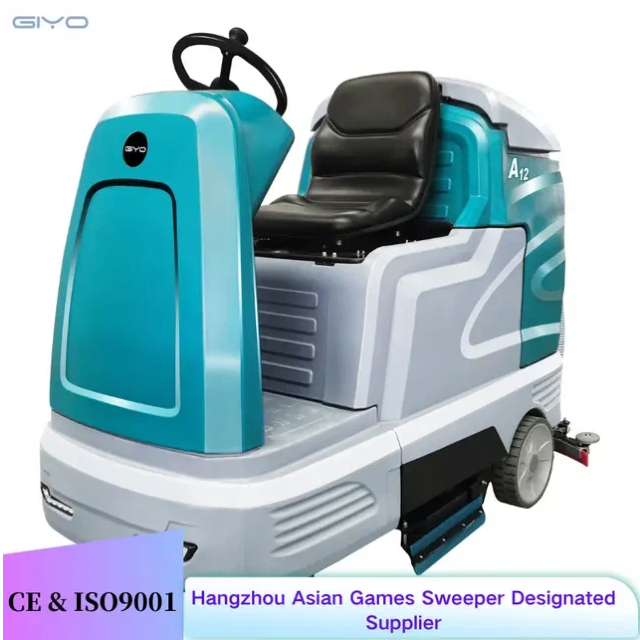
Ride-on machines are designed for larger spaces, such as warehouses, airports, and industrial facilities. These machines allow operators to sit while cleaning, reducing fatigue and increasing productivity. Ride-on machines are typically faster and more powerful than walk-behind models, making them the preferred choice for larger cleaning tasks.
Different types of floor cleaner machines are designed for various cleaning needs. The following table highlights the key components of floor cleaner machines and their respective roles in the cleaning process:
Component | Function | Benefit |
Brushes/Pads | Loosen dirt | Deep cleaning |
Solution Tank | Stores cleaning liquid | Keeps water/chemicals controlled |
Vacuum System | Sucks dirty water | Dries the floor faster |
Squeegee | Pushes liquid | Prevents streaks |
A floor cleaner machine is a powerful tool that integrates multiple cleaning functions, making it the ideal solution for maintaining cleanliness in large and high-traffic environments. By combining scrubbing, vacuuming, and drying in one efficient operation, these machines save time and improve cleaning results compared to traditional methods. Whether you are looking to maintain a retail store, a hospital, or an industrial facility, investing in a floor cleaner machine from GIYO will help you achieve superior cleaning standards with minimal effort.
For more information about our floor cleaner machines, or to get a personalized recommendation for your cleaning needs, contact us today.
1. What is the best type of floor cleaner machine for large areas?
For large areas, a ride-on floor cleaner machine is best as it allows for faster cleaning and greater coverage, reducing the amount of time spent on maintenance.
2. Can a floor cleaner machine be used on all types of flooring?
Yes, floor cleaner machines can be used on a variety of surfaces, including tiles, concrete, wood, and carpet, provided the correct settings and brushes are used.
3. How often should I clean the brushes of a floor cleaner machine?
Brushes should be cleaned regularly to maintain optimal performance. Depending on usage, cleaning after each use is recommended.
4. Are floor cleaner machines eco-friendly?
Yes, floor cleaner machines are designed to minimize water and chemical usage, making them an environmentally friendly option for commercial cleaning.
