
English
Views: 0 Author: Site Editor Publish Time: 2026-02-02 Origin: Site
When it comes to maintaining a scrubber machine, it’s not uncommon for businesses to face some challenges that could impact its performance. Scrubber machines are indispensable tools in maintaining cleanliness in commercial and industrial spaces, but like any piece of equipment, they require attention and care to continue functioning optimally. GIYO, as a leading manufacturer of high-end cleaning equipment, understands the importance of reliable performance and provides high-quality scrubber machines designed for longevity and efficiency.
In this article, we’ll address the most common scrubber machine problems, offer troubleshooting advice, and provide maintenance tips that will help you avoid costly repairs and downtime. Whether you use a walk-behind scrubber or a ride-on model, keeping your machine in peak condition is essential for maintaining clean and safe facilities. In addition, regular upkeep ensures your scrubber operates efficiently, saving you time and money in the long run.
Scrubber machines are built to be durable and efficient, but even the best machines can encounter some common issues over time. The key to keeping your scrubber running smoothly is identifying and addressing these problems early. If not addressed promptly, minor issues can lead to costly repairs and significant downtime.
One of the most common issues is poor water pickup, which leads to streaking on the floor after the machine has finished cleaning. This problem typically occurs when the squeegee is worn, dirty, or incorrectly adjusted. Streaking not only compromises the appearance of the floor but also leaves it wet, increasing the risk of slips and falls. Streaking also reduces the overall effectiveness of the scrubber machine, as it leaves a thin layer of dirty water behind.
A properly functioning squeegee is critical for the cleaning process. If your scrubber machine is leaving streaks, this could indicate a need for immediate attention.
Signs to Watch For:
Streaks on floors after cleaning.
Water residue left behind on the floor, causing the floor to stay wet longer.
Uneven drying of the floor, with some areas remaining damp.
Possible Causes:
Worn-out squeegee blades.
Improper squeegee adjustment or misalignment.
Blocked or malfunctioning vacuum system.
Another issue that can arise is when the brushes or pads of the scrubber machine are not rotating as expected. This could be due to several reasons, such as a broken drive belt, motor issues, or a problem with the brush motor itself. Brushes that don’t rotate properly will result in poor scrubbing performance and uneven cleaning coverage. This means your scrubber is not removing dirt and stains efficiently, which can affect the overall cleanliness of your facility.
Signs to Watch For:
Brushes or pads are not moving or rotating slowly.
Poor scrubbing results, with dirt remaining on the floor.
A noticeable reduction in the cleaning performance.
Possible Causes:
Broken or loose drive belt.
Motor failure or malfunction.
Electrical issue preventing the brush motor from operating.
The vacuum or squeegee mechanism in a scrubber machine is responsible for recovering dirty water and ensuring the floor is left dry. When this system fails, you may notice that water is left behind or that the floor dries slowly. This issue could stem from blockages, worn-out squeegee blades, or malfunctioning vacuum motors. A vacuum failure is a significant problem as it directly impacts the cleaning results.
Signs to Watch For:
The floor remains wet after cleaning.
Excessive water pooling on the floor.
Poor water recovery, leading to dirty water being spread around.
Possible Causes:
Blocked vacuum hose or filter.
Worn or damaged squeegee blades.
Malfunctioning vacuum motor or pump.
Even with regular maintenance, scrubber machines can occasionally experience issues that affect their performance. Below are some common problems you might encounter and how to troubleshoot them.
If you notice that the scrubber is not providing an even clean across the floor, the issue could be due to worn-out brushes or incorrect brush pressure. Uneven scrubbing can also occur if the machine is not being used properly or if there’s a mechanical malfunction in the drive system.
Troubleshooting Tips:
Check and replace worn brushes or pads.
Ensure the machine is properly calibrated for the floor type.
Inspect the drive system and make sure it’s operating smoothly.
Inadequate suction can lead to a poor cleaning performance, as the machine fails to remove all the dirty water. This can happen if the vacuum filter is clogged, the suction motor is malfunctioning, or if the vacuum hose is damaged.
Troubleshooting Tips:
Check and clean the vacuum filter regularly.
Inspect the vacuum hose for any cracks or leaks.
Test the suction motor to ensure it’s working correctly.
For battery-powered scrubbers, battery issues are common as they age. If you notice that your scrubber’s battery is not holding a charge or running out of power quickly, it may be time to replace the battery. Insufficient battery life can lead to operational inefficiency and frequent downtime.
Troubleshooting Tips:
Ensure the battery is properly charged and that the charger is functioning.
Check the battery for signs of wear or corrosion.
Replace the battery if it no longer holds a charge.
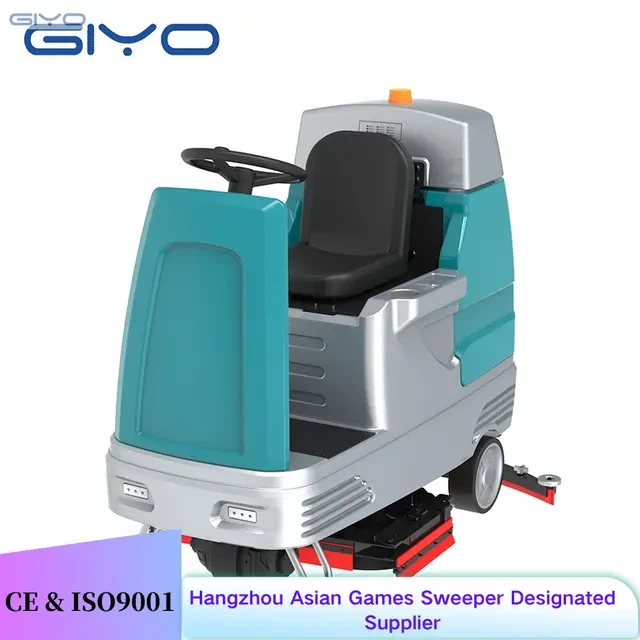
Preventing problems before they occur is the best way to ensure your scrubber machine continues to perform at its best. Here are some simple maintenance tips to keep your machine in top shape:
The squeegee is one of the most important components of your scrubber, as it collects and removes dirty water. It’s essential to clean the squeegee and water recovery tanks regularly to avoid clogs and ensure proper suction. A dirty squeegee will leave streaks, and a clogged tank will prevent the machine from operating efficiently.
Best Practices:
Empty and rinse the recovery tank after each use to prevent buildup.
Clean the squeegee blades after every cleaning session to ensure optimal water pickup.
The brushes or pads are the part of the scrubber that directly interacts with the floor. Over time, they wear out and lose their effectiveness. Regularly inspect the brushes or pads for damage, such as fraying, flattening, or wear on the bristles. Worn-out brushes will lead to poor scrubbing performance, so it’s important to replace them promptly.
Best Practices:
Inspect brushes/pads before and after each use to ensure they are in good condition.
Replace brushes when they show signs of excessive wear or damage.
Electrical components, such as the motor and battery, are crucial to the operation of the scrubber machine. Conducting regular electrical checks can prevent breakdowns. Make sure to inspect all wiring for any signs of damage and ensure the connections are secure.
Best Practices:
Check the wiring for wear or fraying.
Test the battery and charging system regularly.
Clean the electrical components to prevent dirt buildup.
Below is a table summarizing the common scrubber machine problems, their causes, and the solutions to fix them. Keeping this table handy will allow you to quickly identify and resolve issues as they arise.
Problem | Common Cause | Solution |
Water Left Behind | Worn squeegee | Replace or clean the squeegee blades |
No Bristle Rotation | Belt or power issue | Inspect motor and tighten or replace the belt |
Poor Battery Performance | Age or improper charge | Replace the battery or ensure proper charging practices |
This table serves as a quick reference for facility managers to identify the problem and apply the right solution. Knowing when to act or call for professional support is crucial in minimizing downtime and maintaining optimal performance.
While many issues with scrubber machines can be solved with simple troubleshooting and maintenance, some problems require professional support. It’s important to know when to attempt repairs yourself and when to contact support for help.
If you encounter issues like uneven scrubbing, inadequate suction, or minor mechanical failures, these can usually be resolved with routine maintenance and minor adjustments. Make sure you follow the manufacturer’s maintenance guidelines and repair instructions.
If your scrubber machine is still under warranty or if the problem appears to be beyond your ability to fix, it’s best to contact GIYO for professional service. Our team of experts can quickly diagnose the issue and provide a solution, ensuring your machine gets back to working at full capacity.
For issues related to worn-out parts like brushes, squeegees, or motors, replacement parts are often necessary. GIYO provides high-quality, OEM (Original Equipment Manufacturer) replacement parts to ensure your scrubber machine remains in optimal condition.
Regular maintenance and troubleshooting are essential to keep your scrubber machine running smoothly and avoid costly repairs. By understanding common issues and their solutions, you can quickly address any problems and ensure your machine continues to deliver exceptional cleaning performance. GIYO’s scrubber machines are designed with durability and efficiency in mind, and with proper care, they will provide long-term value for your facility.
If you encounter any problems with your scrubber machine that you can't resolve on your own, or if you're in need of replacement parts, contact us at GIYO. Our expert team is ready to assist you with repairs, maintenance, and advice on getting the best performance from your equipment.
1. Why is my scrubber machine leaving water behind?
This is usually caused by a worn-out squeegee. Clean or replace the squeegee blades to restore optimal water recovery.
2. My scrubber brushes aren’t rotating properly—what should I do?
Check for a broken belt or malfunctioning motor. Tighten or replace the belt as necessary.
3. How can I improve battery performance for my scrubber machine?
Ensure the battery is charged correctly and is not overcharged. Replace the battery if it no longer holds a charge.
4. How often should I perform maintenance on my scrubber machine?
Regular maintenance should be performed weekly, with deeper inspections and part replacements as needed. Always follow the manufacturer's maintenance schedule.
